
Low Voltage vs. Line Voltage Landscape Lighting
A well-lit landscape can transform any yard into a captivating outdoor retreat. At Nashville Hardscape & Patio, we don’t just install lights; we craft experiences, using lighting design to highlight the beauty, functionality, and personality of your outdoor spaces.
When planning lighting projects, you should understand the difference between low-voltage and line-voltage landscape lighting. Each system has its own advantages, ideal applications, and installation considerations, including transformers, cables, and circuit requirements, ensuring your garden, pathways, and architectural features shine safely and beautifully after dark.
Line Voltage vs Low-Voltage Landscape Lighting
Low-voltage and line-voltage (high voltage) landscape lighting differ in several key factors that affect how your outdoor space looks, functions, and feels. These differences include:
Lighting Power and Ambiance
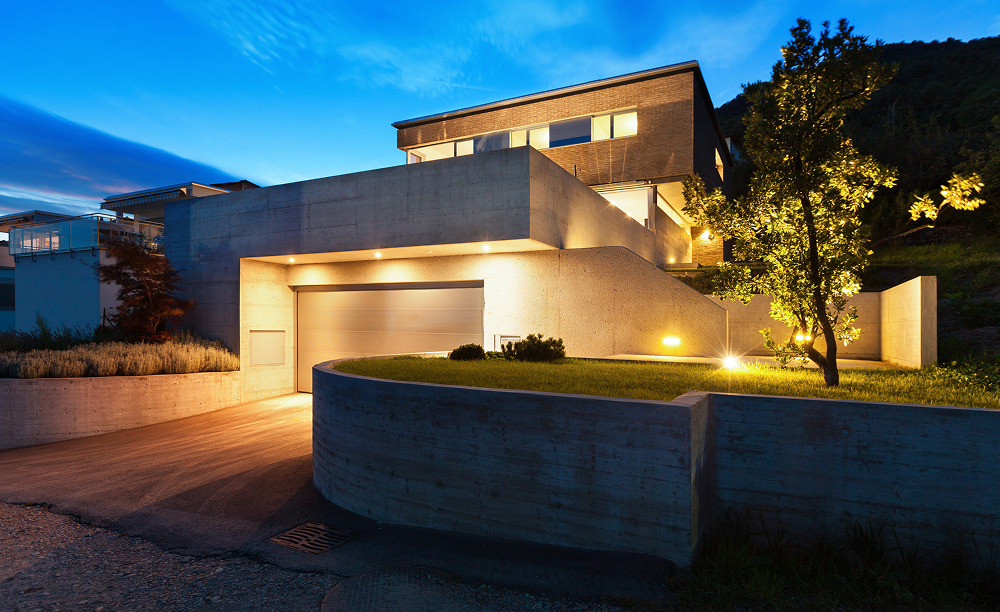
Low-voltage lighting operates at 12 volts, creating a soft, warm glow ideal for highlighting garden beds, pathways, patios, and trees. Its energy-efficient LED fixtures and traditional light bulbs allow for energy savings while providing subtle illumination that enhances the beauty of your landscaping.
Line-voltage (high-voltage) lighting runs at 120 volts, producing brighter and more intense light. It’s perfect for larger areas that need strong illumination, such as long driveways or open lawns. Careful consideration of voltage drop and power source placement ensures that your electrical systems operate efficiently.
Installation for Outdoor Spaces
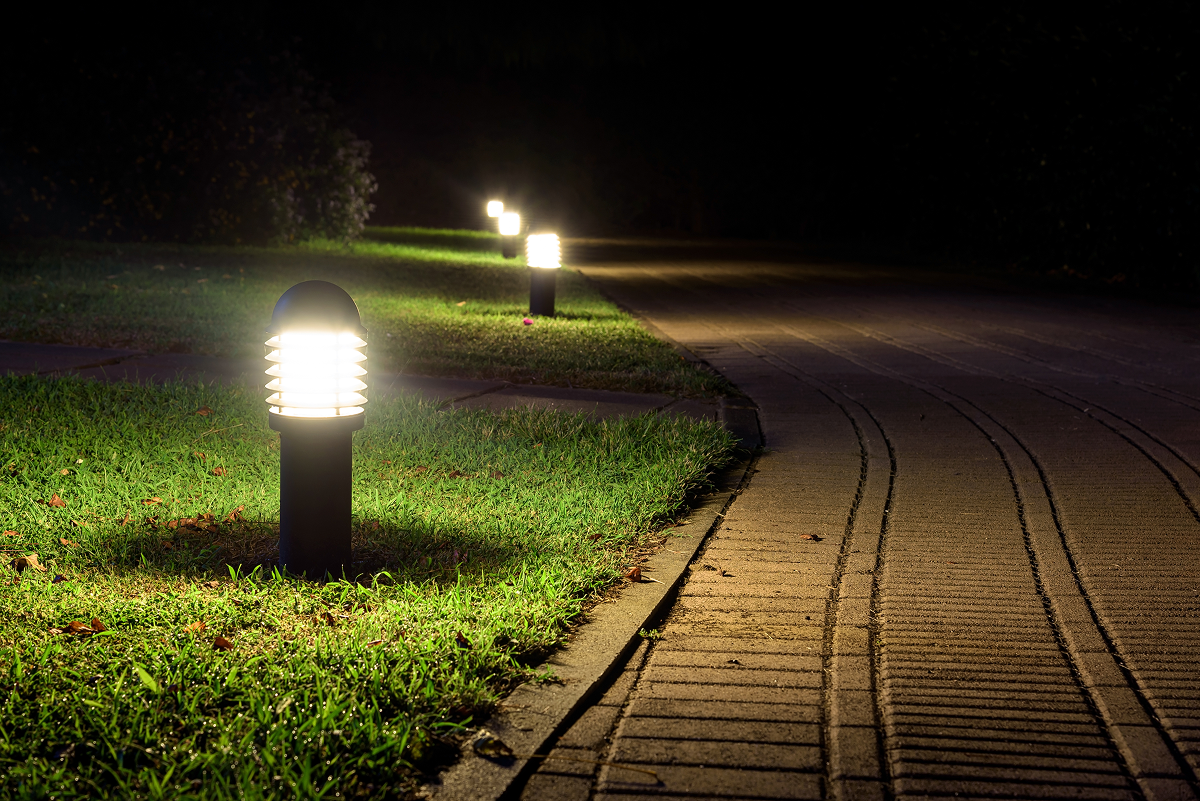
Low-voltage lighting is easier to install in yards and gardens. Its flexible cable can be buried under soil or hidden among plants, making it a popular choice for DIY lighting projects. You can place lighting fixtures around trees, along pathways, or near outdoor seating areas without major construction.
Line-voltage lighting requires professional installation because the higher voltage can be dangerous if handled incorrectly. Electricians manage cables, circuits, and transformers in accordance with local codes and to ensure safety. This makes it better suited for large-scale residential or commercial landscapes.
Safety in the Landscape Environment
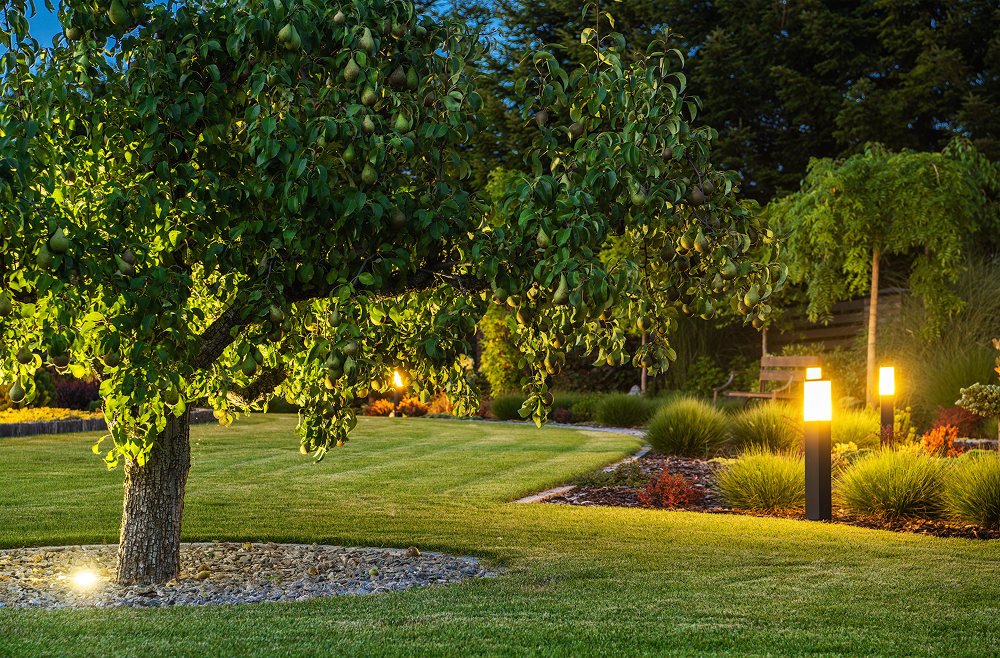
Low-voltage lighting is safer for areas where children, pets, or guests frequently walk, as the reduced voltage minimizes the risk of electric shock. It’s ideal for illuminating paths, garden steps, and play areas.
Line-voltage lighting carries a higher risk and requires careful installation, especially outdoors where moisture or irrigation systems are present. Using proper circuit protection and outdoor-rated lighting fixtures is critical to preventing accidents.
Design Options for Landscaping
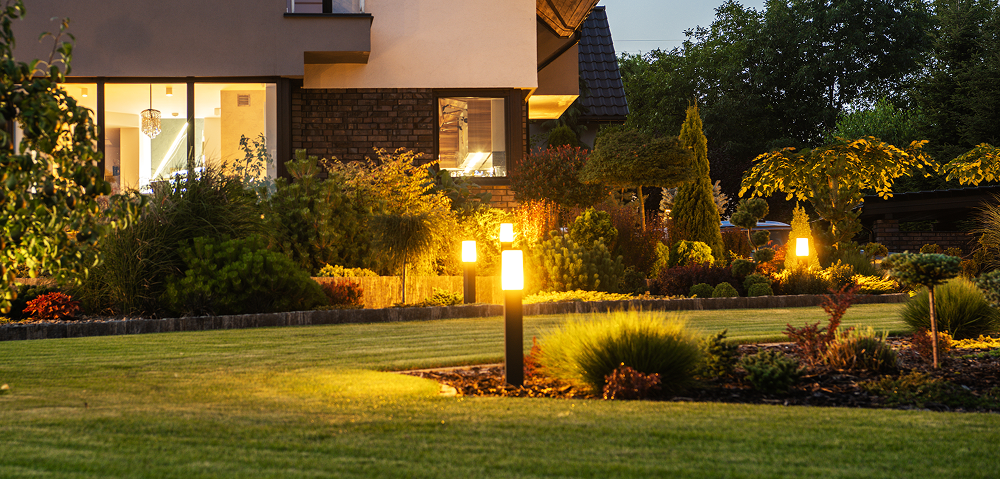
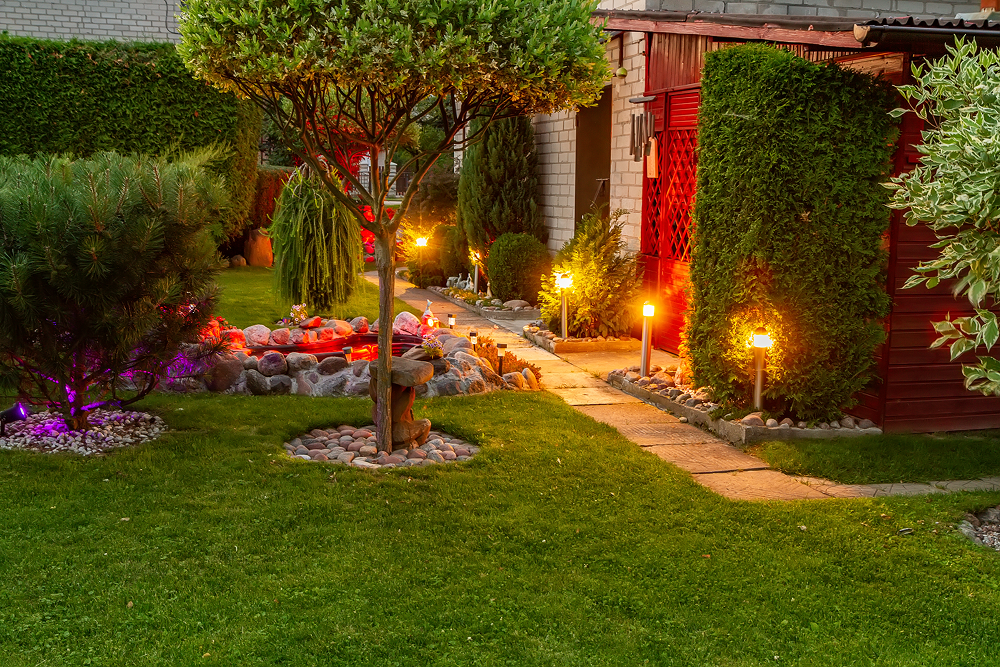
Low-voltage systems serve a variety of lighting fixtures, from path lights and display lighting to well lights and LED fixtures. They allow you to layer lighting in your garden, highlight plants, or accentuate water features and architectural details.
Line-voltage fixtures are typically more robust and durable, but may have fewer bulb and color temperature options. As such, they are ideal for large-scale illumination, such as lighting entire yards, commercial landscapes, or long pathways.
Cost and Energy Use in Outdoor Lighting
Low-voltage lighting is generally more budget-friendly. Installation is simpler, and LED lighting reduces electricity consumption, making it cost-effective for residential yards or decorative garden areas. Consider energy efficiency when choosing light bulbs to maximize energy savings.
Line-voltage lighting requires a higher initial investment, professional installation, and increased electricity use. It’s better suited for projects where long-term durability and bright illumination outweigh cost concerns.
Application in Your Landscape
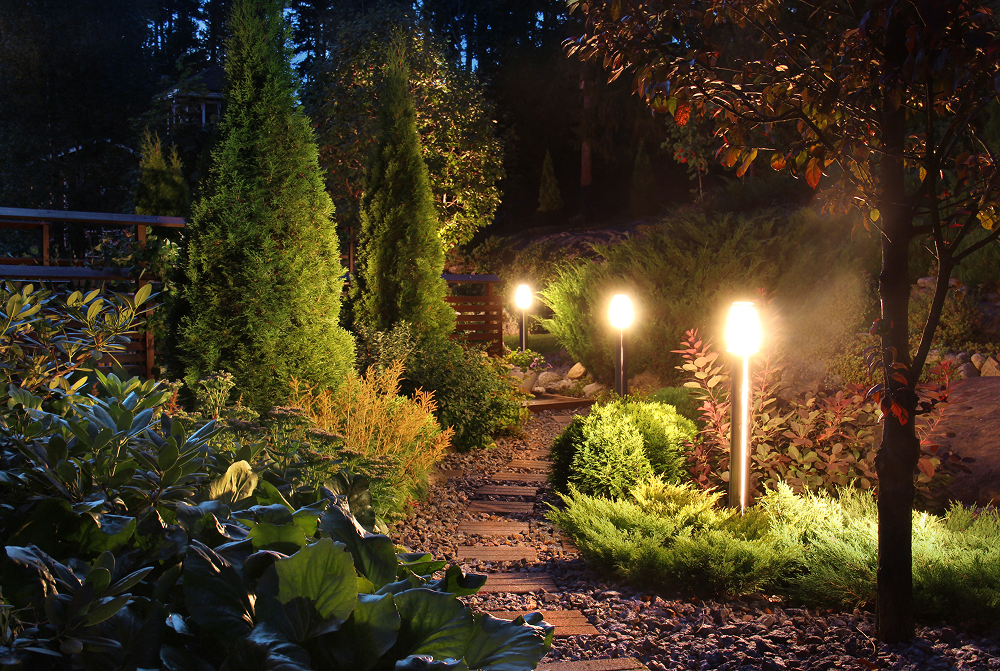
Low voltage is Ideal for residential landscapes, flower beds, pathways, patios, decks, and accent lighting for trees or statues using LED fixtures or traditional bulbs.
On the other hand, line voltage is best for large gardens, high-voltage display lighting, security lighting, driveways, commercial landscapes, or any area requiring high-intensity illumination over long distances.
Choosing the Right Landscape Lighting for Your Yard
Selecting the right voltage choices depends on the size, use, and desired mood of your outdoor space. Low-voltage lighting is perfect for cozy, intimate areas such as patios, garden corners, pathways, trees, or architectural accents. Its softer, layered glow highlights features and adds depth, while flexible cables can be discreetly routed to frame steps, borders, or garden edging.
Line-voltage (high voltage) lighting is ideal for larger areas that require strong, consistent illumination, like open lawns, long driveways, commercial properties, or security lighting. These outdoor lighting fixtures provide broad coverage and can define property lines or illuminate expansive landscapes.
You can achieve the best results by combining both systems. Low-voltage LED fixtures create ambiance and accent smaller features, while line-voltage lights deliver powerful illumination for main areas.
Light Up Your Landscape with Nashville Hardscape & Patio
Well-planned landscape lighting can turn a yard into a space that’s both inviting and functional. By thoughtfully combining low-voltage and high-voltage lighting, and considering transformers, cables, LED lighting, and color temperatures, you create layers of light that balance ambiance with practical visibility.
Whether you’re enjoying a quiet evening on the patio or hosting friends in the backyard, Nashville Hardscape & Patio can help with lighting, maintenance, and electrical systems to bring your vision to life.
GET FREE ESTIMATE