
Commercial Pavers
Commercial properties face unique challenges with outdoor surfaces. Cracked concrete, uneven walkways, drainage problems, and worn parking areas. These don’t just look bad; they create safety risks, increase maintenance costs, and reflect poorly on your business.
At Nashville Hardscape & Patio, we help you make informed decisions about your outdoor spaces. Our approach focuses on long-term performance, durability, and functionality, not quick fixes. Whether you’re planning a new installation or replacing a failing surface, we provide commercial paver solutions designed to stand up to heavy use and local conditions.
What Are Commercial Pavers?
Commercial pavers are heavy-duty paving stones designed for high-traffic outdoor areas, including walkways, patios, parking lots, courtyards, pedestrian plazas, and entryways. These include commercial concrete pavers, interlocking concrete pavers, and even traditional clay brick, depending on the design and load requirements.
Commercial pavers are installed over a properly prepared base using compacted gravel, sand bedding, edge restraints, and an engineered paving system support to ensure long-term stability. With professional installation and structural reinforcement, these systems provide superior durability, drainage control, and safe performance while accommodating changing environmental conditions.
Where Commercial Pavers Are Commonly Used
Commercial pavers are chosen not just for appearance, but for how they perform in real-world conditions. Common applications include:

Pavers used in parking lots are designed to handle repeated vehicle loads while maintaining a stable, level surface. When properly installed, they resist cracking and allow easier spot repairs than poured concrete or asphalt.

In outdoor plazas and shared public spaces, pavers provide a durable walking surface that can be customized for safety, accessibility, and visual appeal. They also allow for easier access to underground utilities if future work is needed.

High-traffic walkways and entry points benefit from the slip resistance and durability of commercial-grade pavers, improving both safety and curb appeal.

In certain commercial settings, pavers are used around pool decks where drainage, surface temperature, and traction are important considerations.
Materials Used in Commercial Paver Systems
The performance of a commercial paver installation depends heavily on the materials selected. Each material offers distinct advantages in load capacity, drainage, appearance, and long-term maintenance. Understanding these differences helps property owners and project managers select a paving solution that meets both functional requirements and design objectives.
At Nashville Hardscape & Patio, material selection is guided by site conditions, traffic requirements, and long-term durability — not just appearance.
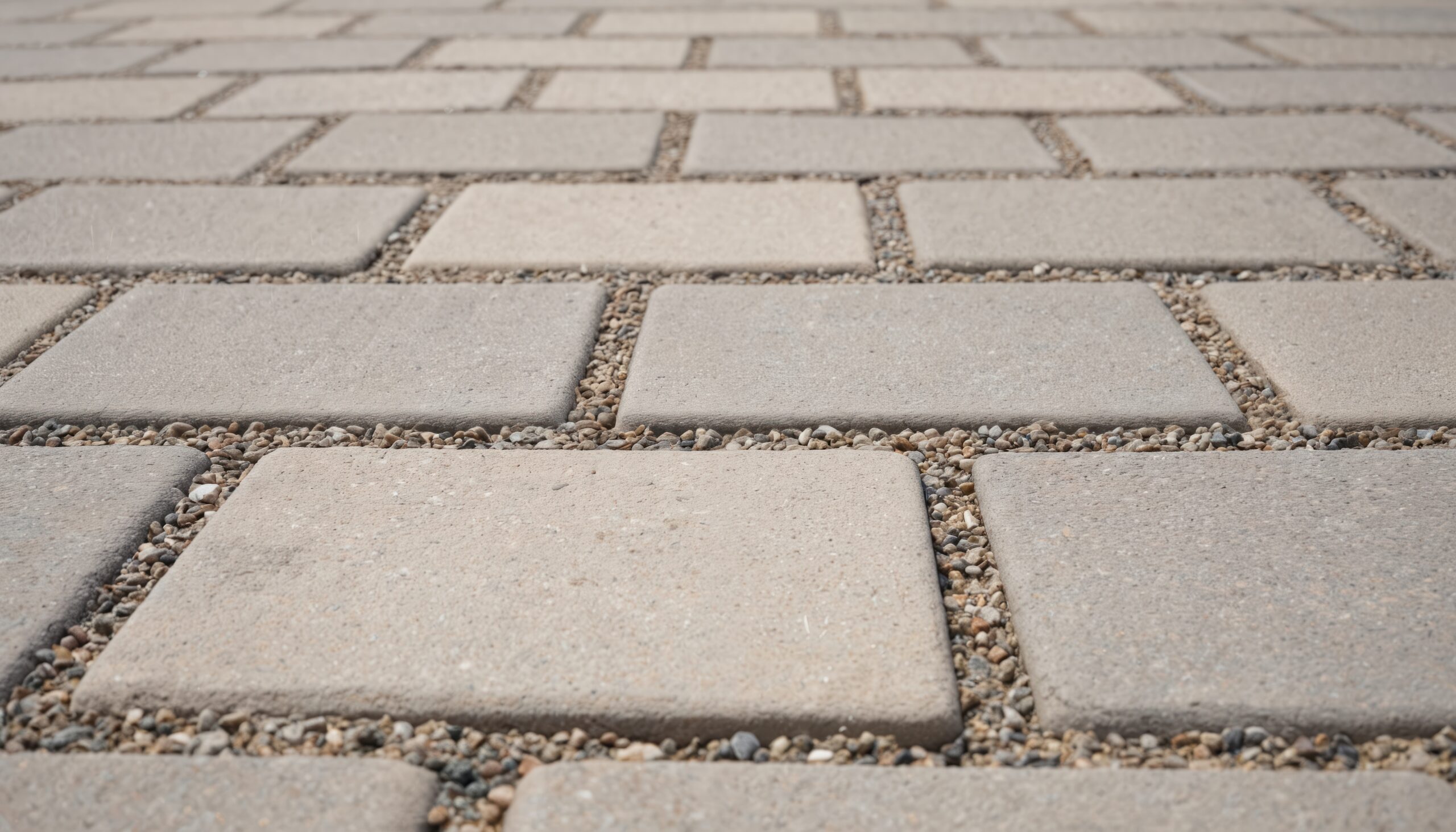
Concrete Pavers
Concrete pavers are the most widely used material for commercial-grade applications due to their strength, consistency, and versatility. Manufactured under controlled conditions, they meet strict load-bearing standards and are designed to perform under frequent foot and vehicle traffic.
Concrete pavers are commonly used in parking lots, walkways, plazas, and drive lanes because they resist cracking better than poured concrete and can be repaired individually if needed. They also offer flexibility in color, texture, and pattern while maintaining structural reliability in high-traffic environments.
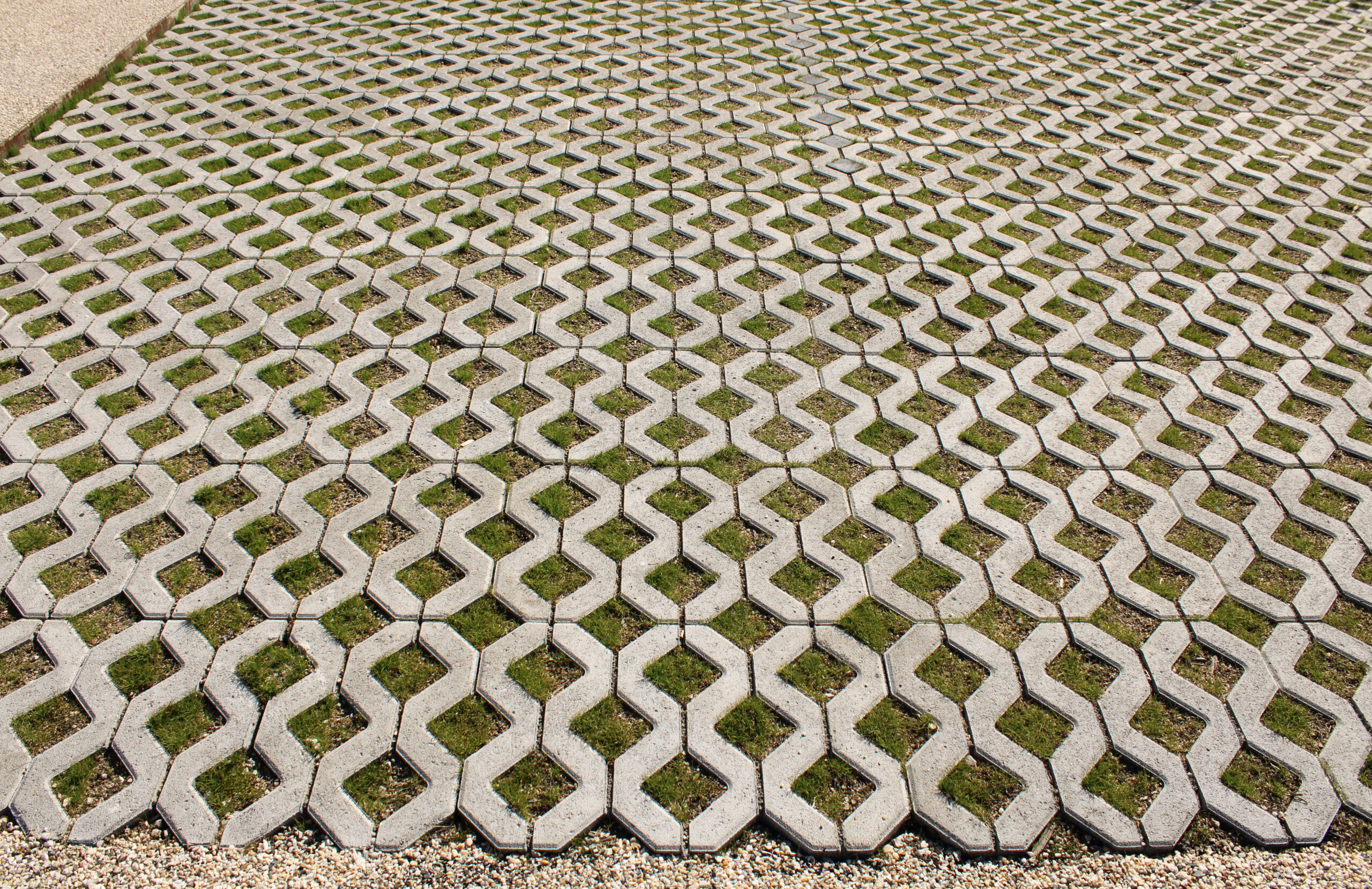
Permeable Concrete Pavers
Permeable paver systems are designed to manage stormwater at the surface level. These pavers are installed with engineered joints and a stone base that allows water to pass through rather than run off. This helps reduce pooling, erosion, and strain on drainage infrastructure.
Permeable pavers are especially valuable in commercial parking areas, access roads, and outdoor spaces where stormwater control is required by local regulations. When properly installed, they maintain the same load-bearing capabilities as traditional concrete pavers while supporting erosion control and long-term site stability.
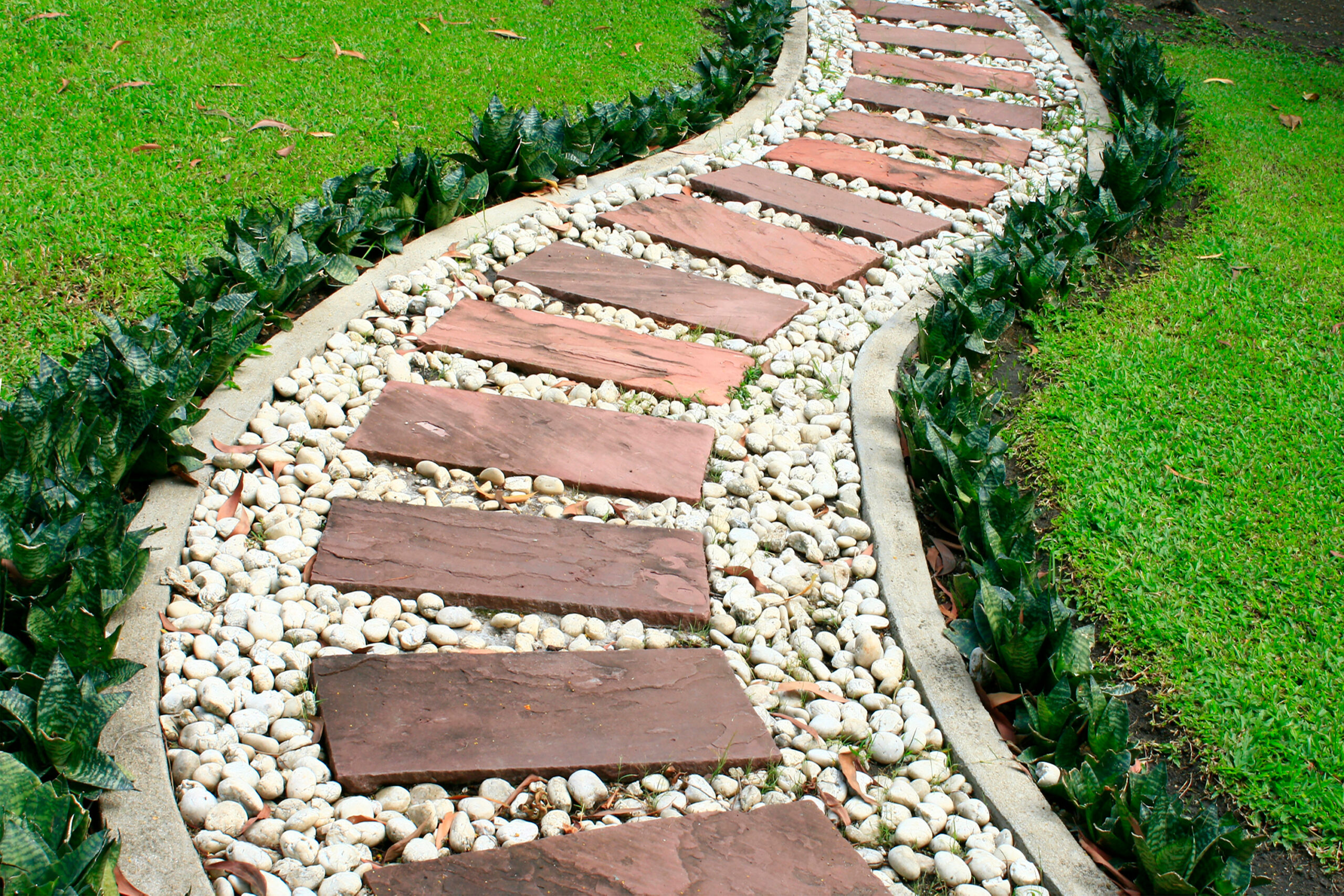
Natural Stone Pavers
Natural stone pavers, such as granite, limestone, or slate, are often selected for commercial projects where aesthetics and longevity are equally important. These materials offer natural durability, unique surface character, and long-lasting performance in pedestrian-heavy environments.
Stone pavers are commonly used in outdoor plazas, courtyards, and entryways, where their visual appeal enhances the overall experience. While they typically require a higher initial investment, their lifespan and timeless appearance often make them a practical long-term solution for high-visibility commercial properties.
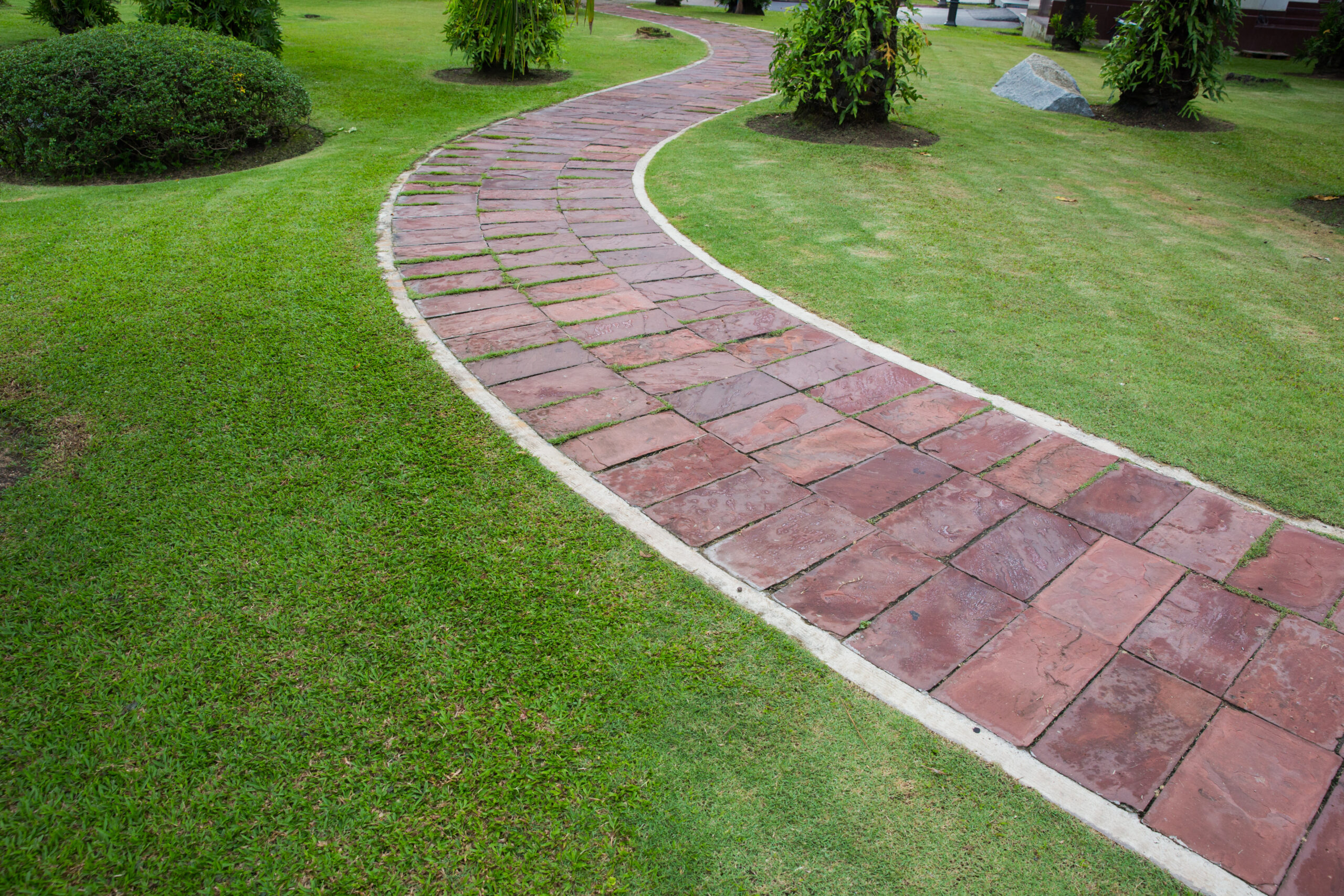
Brick and Clay Pavers
Clay brick pavers are fired at high temperatures, resulting in dense units with strong resistance to fading and surface wear. These pavers are frequently used in commercial walkways, historic districts, and architectural projects where a classic look is desired.
Because the color is inherent to the material rather than applied as a surface finish, brick pavers maintain their appearance even under constant exposure to sunlight and foot traffic. They also perform well in freeze-thaw cycles when properly installed.

Paver Systems for Pool Decks and Pedestrian Areas
For pool decks and high-traffic pedestrian zones, pavers are selected based on slip resistance, heat performance, and comfort underfoot. Specialized surface textures and lighter color options help reduce heat absorption and improve safety in wet conditions.
These systems are commonly used in hospitality properties, community spaces, and recreational facilities where both durability and user comfort are essential.
Benefits of Commercial Pavers
Commercial pavers are selected not just for their appearance, but for their performance under constant use. When properly designed and installed, they solve many of the long-term issues that traditional paving surfaces struggle with in commercial environments.
Long-Term Structural Durability
Commercial-grade pavers are manufactured to withstand repeated foot traffic and vehicle loads without cracking. Unlike poured concrete or asphalt pavers, which can fracture as a single slab, paver systems distribute weight across multiple units and a reinforced base.
This structural flexibility allows the surface to absorb stress and ground movement without failing, making it ideal for parking lots, drive lanes, and high-traffic outdoor spaces.
Easier and More Cost-Effective Repairs
One of the biggest operational advantages of commercial pavers is repair efficiency. If damage occurs due to utility work, settling, or impact, individual pavers can be removed and replaced without tearing up the surrounding area.
This reduces labor costs, minimizes downtime, and prevents the patchwork appearance common with asphalt or concrete repairs.
Improved Drainage and Water Management
Commercial paver systems can be engineered to manage water more effectively than solid surfaces. Permeable paver options allow stormwater to move through the joints and into a stone base below, helping reduce surface runoff, pooling, and erosion.
This improves safety, protects surrounding structures, and supports stormwater detention requirements in many commercial developments.
Enhanced Safety for Pedestrians and Vehicles
Pavers provide better surface traction than many smooth concrete finishes, especially in wet conditions. Their textured surfaces help reduce slip-and-fall hazards in walkways, entryways, and pool decks. Additionally, properly installed pavers maintain consistent elevation, reducing trip hazards and improving overall accessibility.
Professional Appearance That Holds Up Over Time
Commercial pavers retain their appearance longer than many traditional surfaces. They resist surface cracking, uneven discoloration, and wear patterns that can make commercial properties look neglected. This consistency helps maintain curb appeal for businesses, retail centers, hospitality spaces, and public areas without frequent resurfacing.
Design Flexibility Without Sacrificing Performance
Commercial pavers offer a wide range of layout patterns, colors, and finishes while still meeting performance requirements. This allows property owners to define walkways, traffic zones, outdoor plazas, and gathering areas visually without compromising durability.
Design elements can be used strategically to guide movement, improve safety, and elevate the overall look of the outdoor space.
Reduced Long-Term Maintenance Disruption
Because commercial paver systems are modular, maintenance and repairs can be scheduled and completed with minimal impact on daily operations. There’s no need for large-scale closures or extended curing times, which is especially valuable for businesses that rely on constant accessibility, such as retail centers and office properties.
Design and Engineering Considerations for Commercial Pavers
Commercial paver projects require more than surface-level planning. Key considerations include:
- Traffic and Load Requirements: Pavers must be selected and installed to support expected loads, including foot traffic, delivery vehicles, and regular parking.
- Drainage and Stormwater Management: Proper grading and base design help control water movement, reduce erosion, and prevent long-term damage to the paving system.
- ADA Compliance and Safety: Surface transitions, slopes, and joint spacing must meet accessibility standards for public and commercial spaces.
- Project Location and Site Conditions: Soil conditions, slope, and surrounding structures influence base design and installation methods.
Addressing these factors early ensures the paving solution performs reliably over time.
How Commercial Pavers Are Installed (Why Process Matters)
A commercial paver system is only as reliable as the installation process. To ensure performance, preparation begins well before the first paver is placed.
Site Planning and Excavation
Every successful installation begins with a thorough evaluation of the project location. Soil conditions, drainage patterns, traffic load requirements, and local regulatory standards all influence the depth at which the system must be built.
During excavation, unsuitable soil and organic material are removed to prevent future settling or erosion. This step creates a stable foundation that supports the entire paving system and protects against long-term structural issues.
Base Preparation and Compaction
The base layer is the structural backbone of a commercial paver system. Crushed aggregate is installed in measured lifts and mechanically compacted to achieve the density required for commercial-grade performance.
Proper compaction distributes weight evenly, prevents rutting, and allows the surface to withstand vehicle traffic, heavy equipment, and seasonal ground movement without failure.
Edge Restraints and Alignment
Edge restraints are installed to lock the system in place and maintain alignment over time. Without secure edging, pavers can spread or shift under repeated traffic loads. Proper restraint systems ensure the surface remains tight, level, and visually clean, even in high-use areas such as parking lots, walkways, and access lanes.
Bedding, Placement, and Joint Stabilization
Once the structural layers are complete, pavers are set into a precisely graded bedding layer and installed according to the approved layout pattern. Joint material is then swept and compacted to lock each unit in place.
This final step stabilizes the surface, enables controlled movement, and prevents water infiltration, which can lead to washout or freeze-thaw damage.
A methodical installation process minimizes future maintenance, reduces the risk of surface movement, and extends the lifespan of the paved area. When commercial pavers are installed correctly, they maintain structural integrity, appearance, and performance for years — even under demanding conditions.
Why Work with Nashville Hardscape & Patio?
Choosing the right contractor for your paver driveway installation is just as important as selecting the right materials. At Nashville Hardscape & Patio, we have built a strong reputation for delivering high-quality craftsmanship, dependable timelines, and outstanding service.
Every driveway is custom-designed using premium materials, including concrete, traditional clay brick, natural stone, and permeable options. We take pride in precise installation, strong structural support, and long-term surface performance.
Schedule Your Commercial Paver Consultation Today
A professionally installed commercial paver system from Nashville Hardscape & Patio enhances safety, durability, and curb appeal for your business or property. From walkways and patios to plazas and entryways, our team delivers high-performance paving solutions built to last.
Reach out to Nashville Hardscape & Patio today to view product options and schedule your free quote. We’ll provide excellent customer service, guide you through every step of your commercial paver project, and create a solution tailored to your property’s unique needs.