
How to Choose the Right Pavers for Your Patio
At Nashville Hardscape & Patio, we believe a great outdoor space starts with the right pavers. Whether you’re building a small backyard patio or a larger outdoor living space, the type of paver material you choose will impact durability, cost, and overall appearance. From natural stone and brick pavers to concrete and permeable options, each type has its advantages.
With so many styles, colors, and textures to choose from, it’s helpful to think about things like maintenance, weather, and how often the area will be used. Taking the time to weigh these factors will help you choose pavers that look great, perform well, and fit your outdoor space for years to come.
Tips To Choosing Your Pavers
Pavers are made from different materials and are perfect for different spaces. To choose the best you should:
Know Your Paver Options
Understanding the types of paver materials is the first step. Each material offers its own aesthetic appeal, durability, and maintenance requirements.
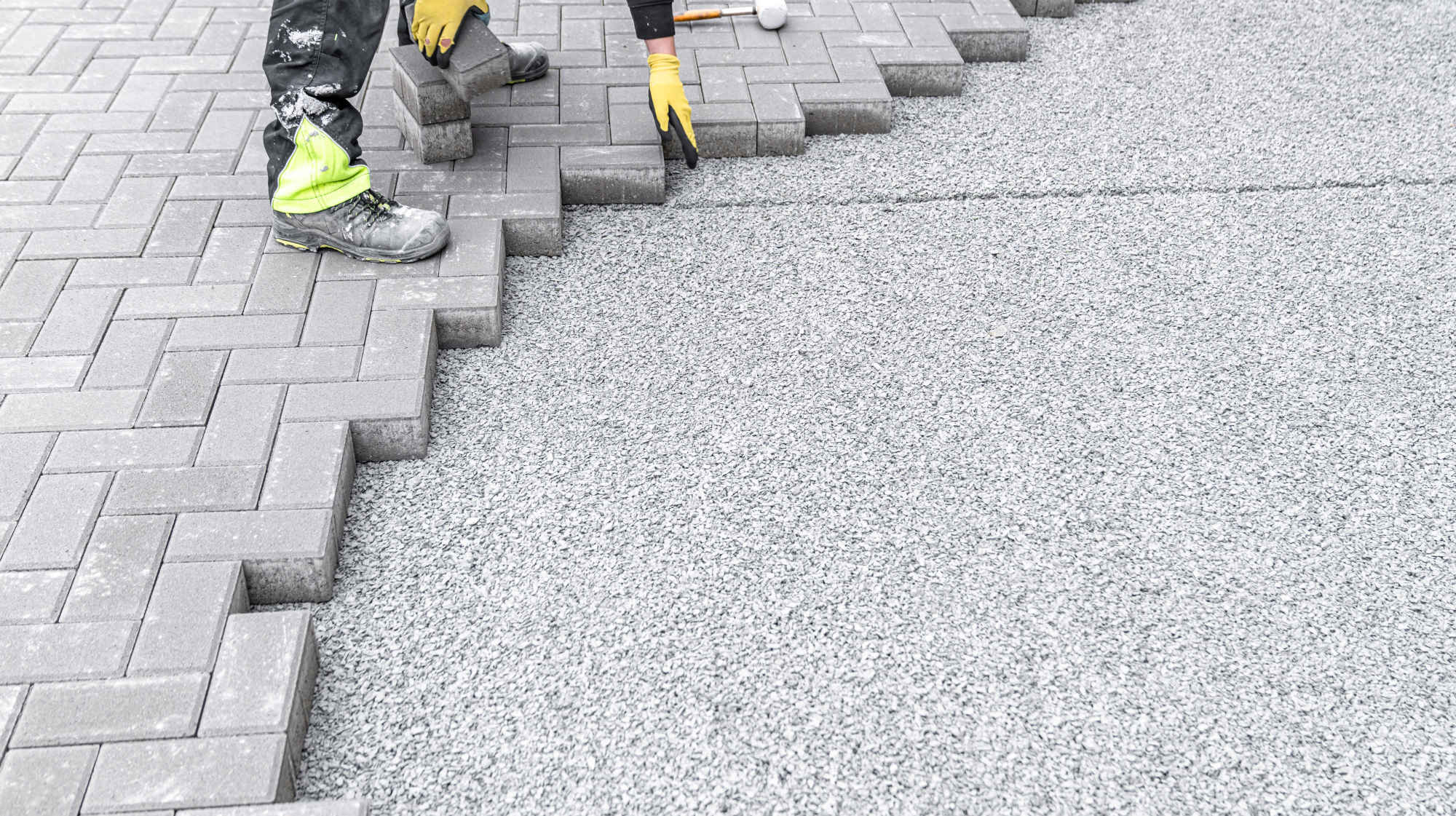
Concrete Pavers
These are among the most popular choices. Concrete pavers are affordable, durable, and available in a wide variety of colors and styles. Smooth pavers and textured pavers can both be made from concrete, giving you options for different finishes.
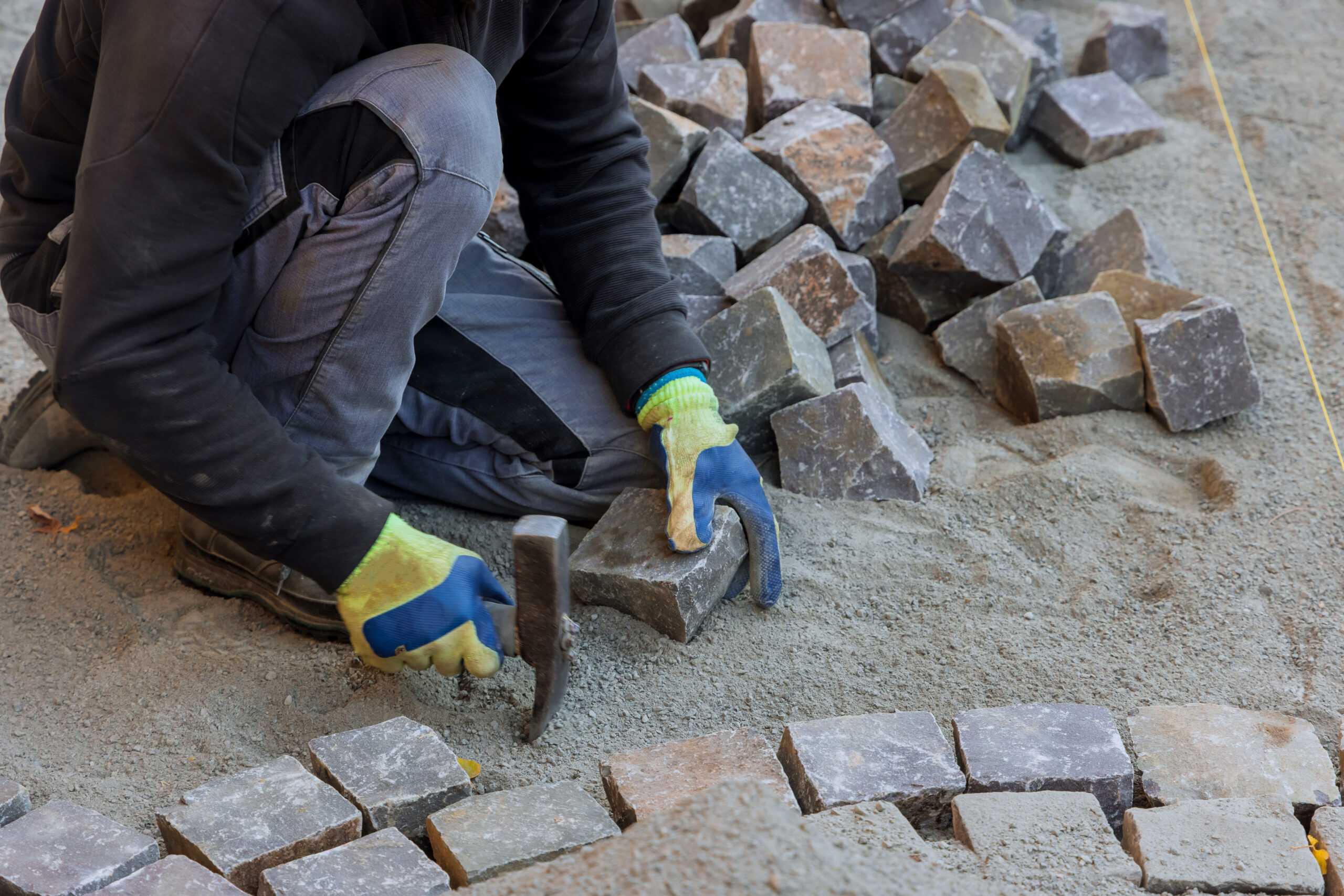
Natural Stone Pavers
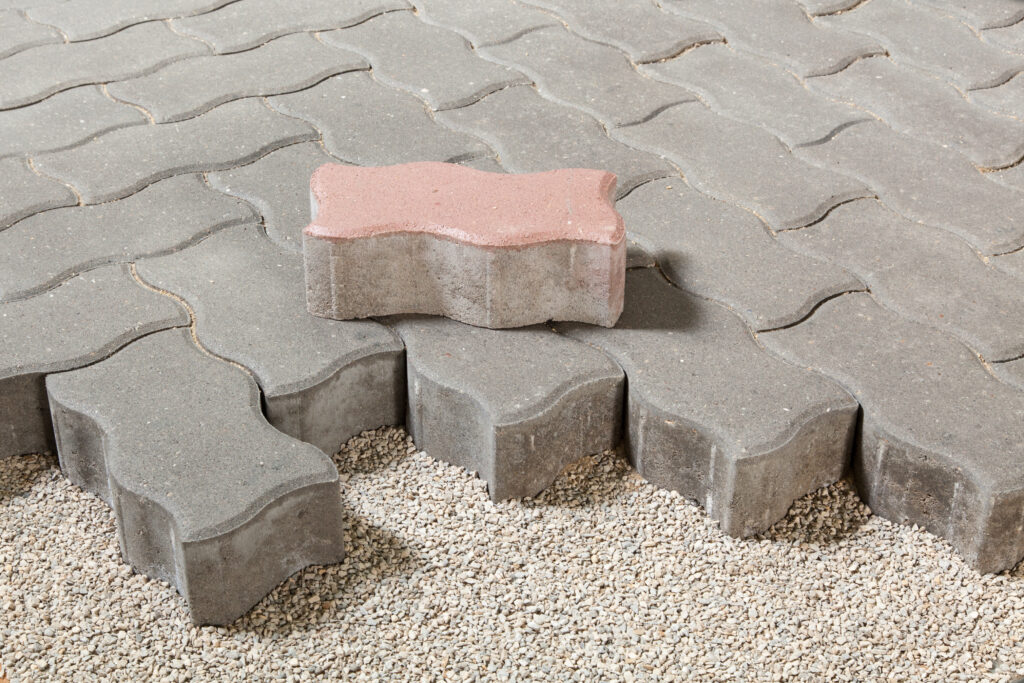
Brick Pavers
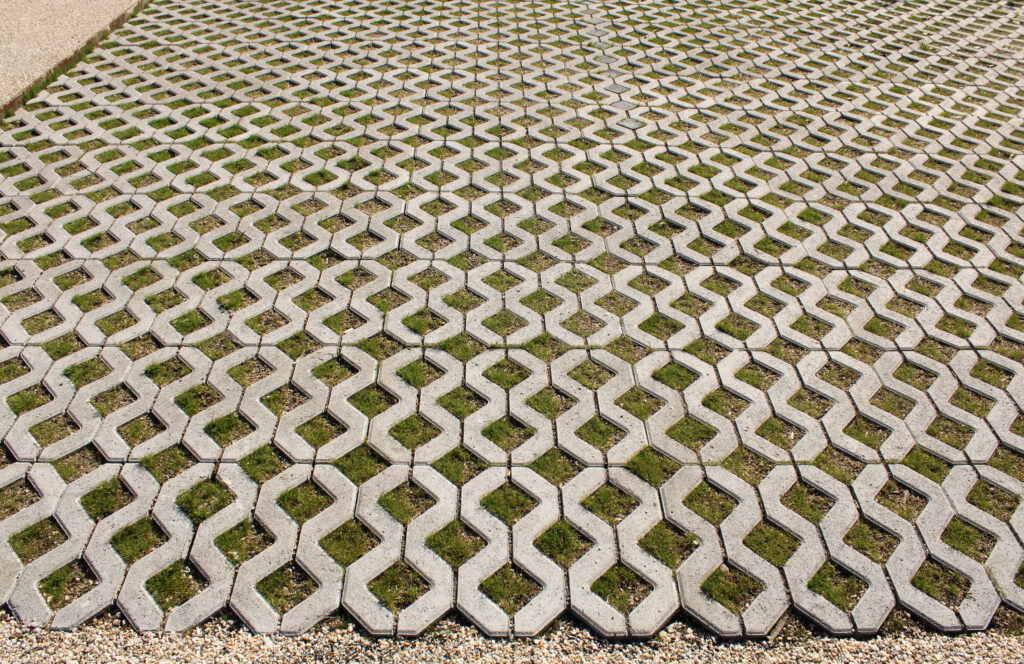
Permeable Pavers
Consider Function and Usage
Think about how your outdoor living space will be used on a daily basis. For example, if your patio will host outdoor dining or frequent gatherings, choose a material that’s not only attractive but also durable and slip-resistant. Smooth concrete pavers may offer a modern look, but textured surfaces provide better traction, especially in areas that may get wet, like around a pool.
If you’re designing a peaceful lounge area, you might opt for something more decorative. However, for practical uses like placing a grill or furniture, flat, stable surfaces are essential.
Choose Colors and Finishes That Match Your Style
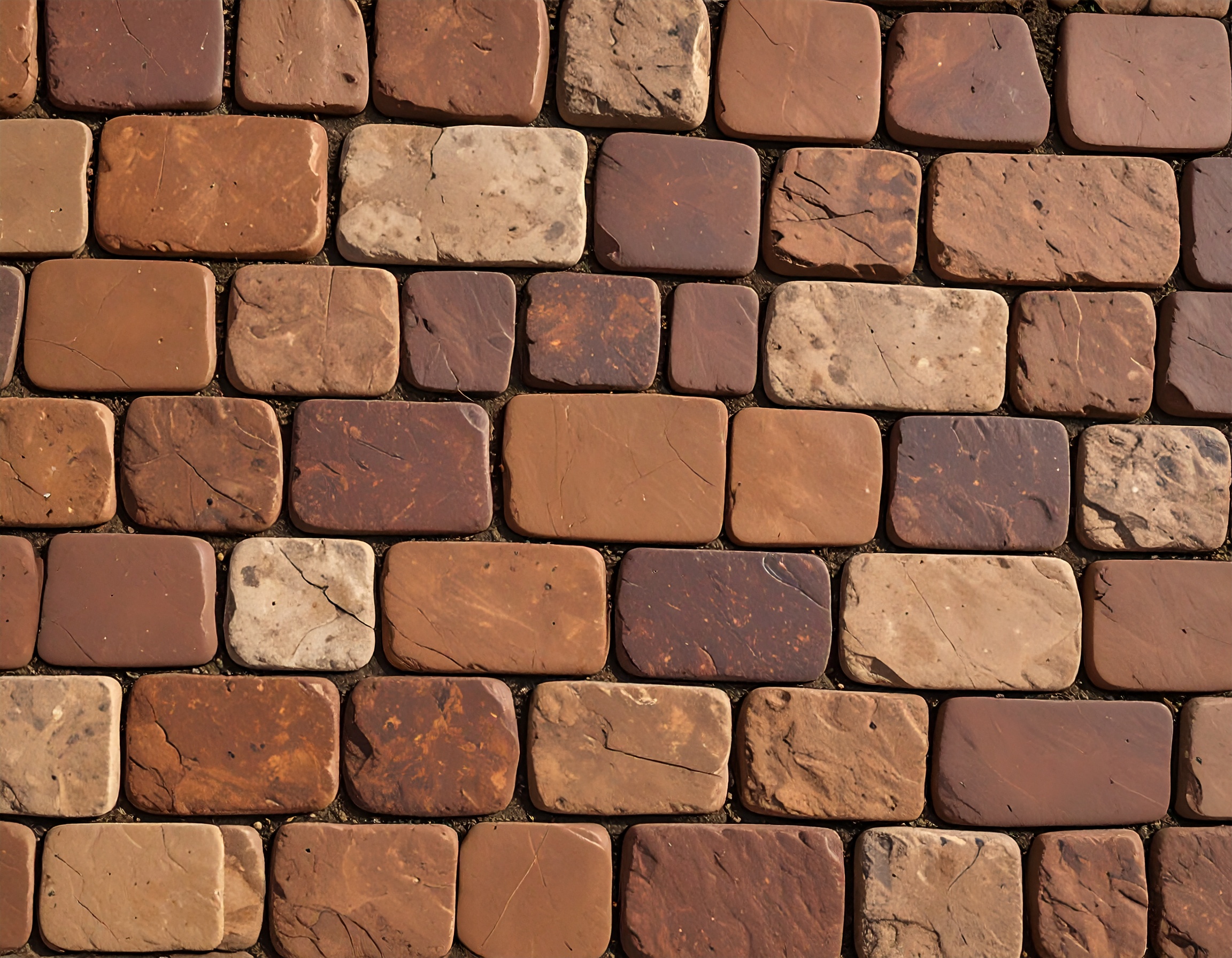
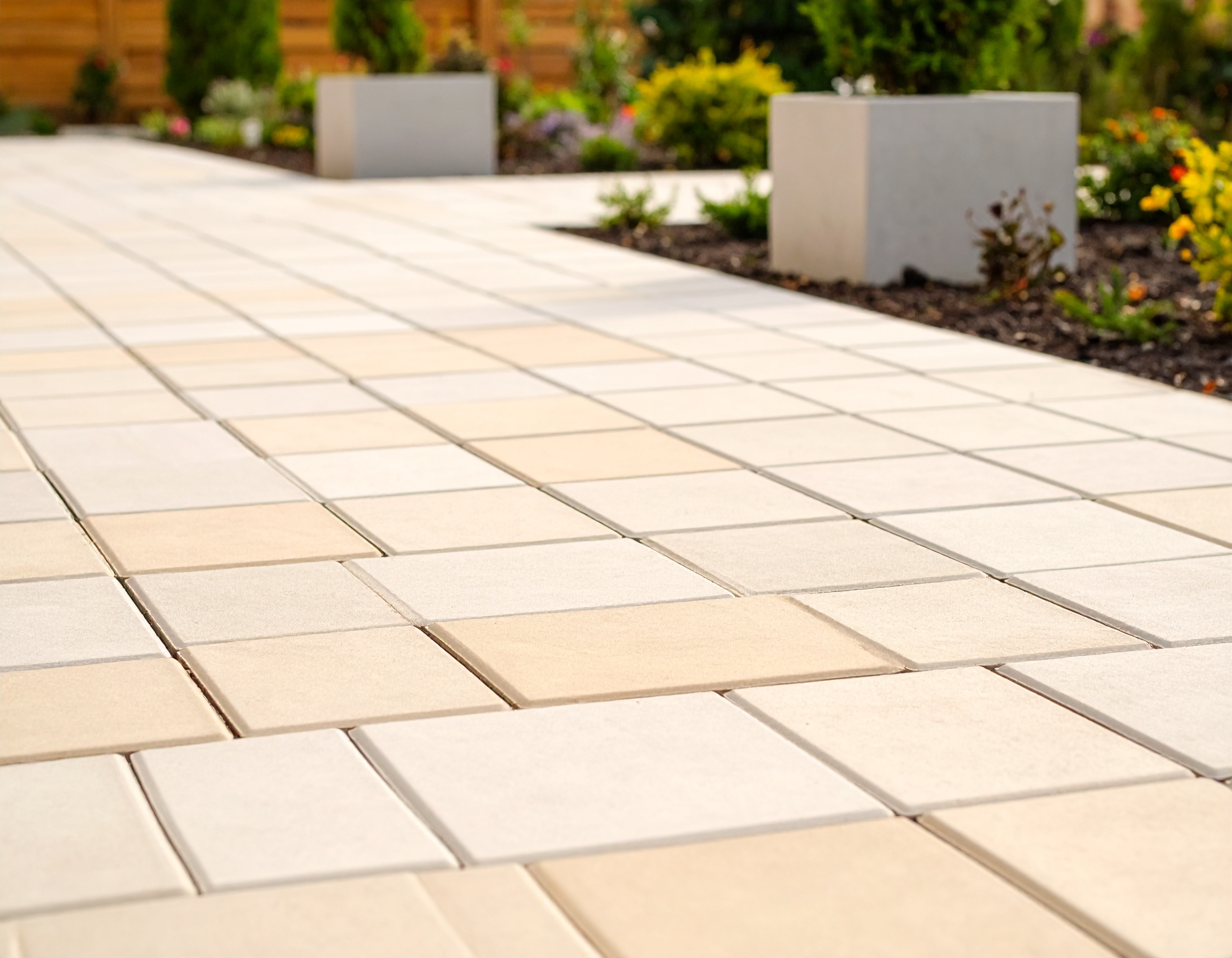
Lighter colors reflect sunlight, keeping the surface cooler — a great option for sunny patios.
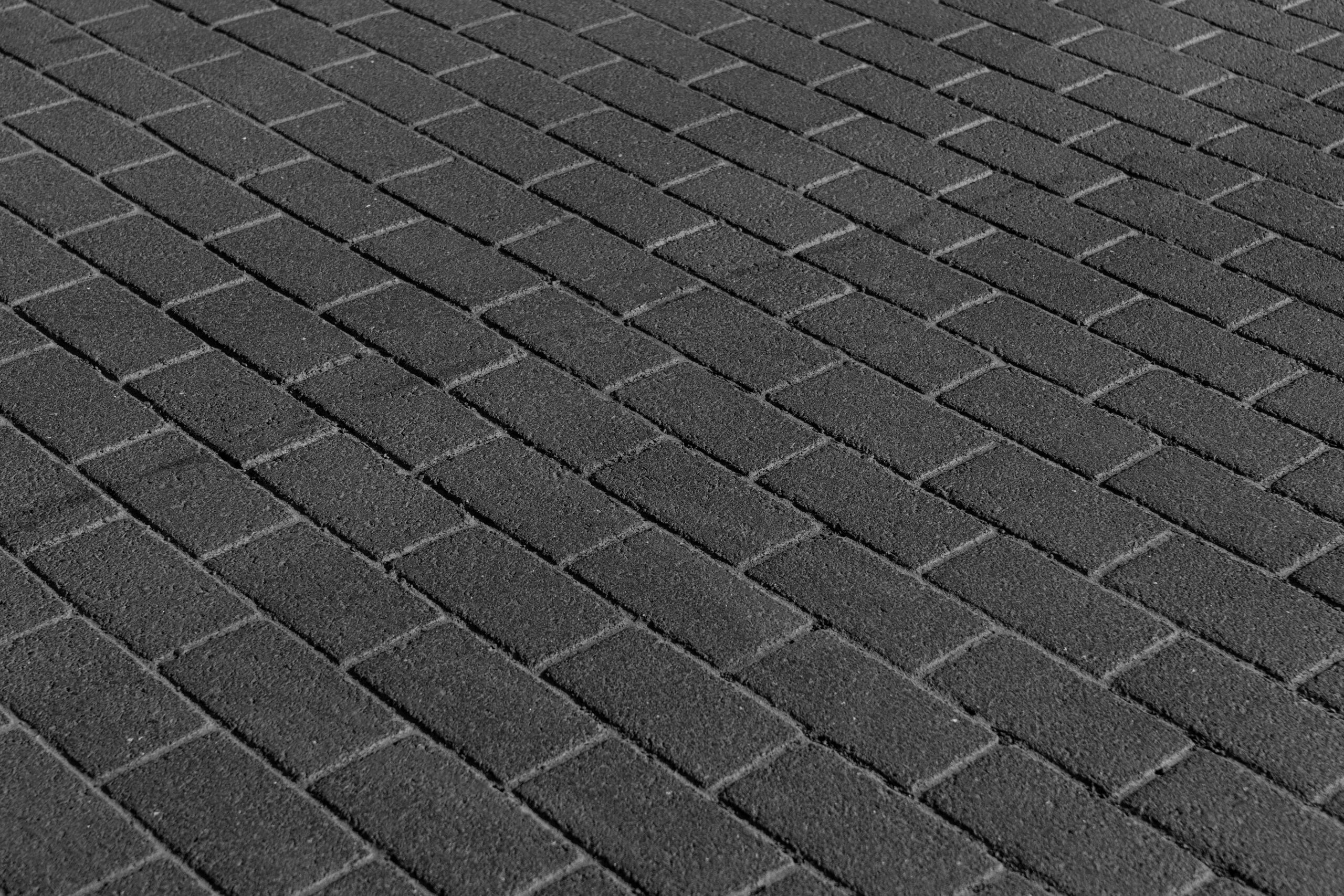
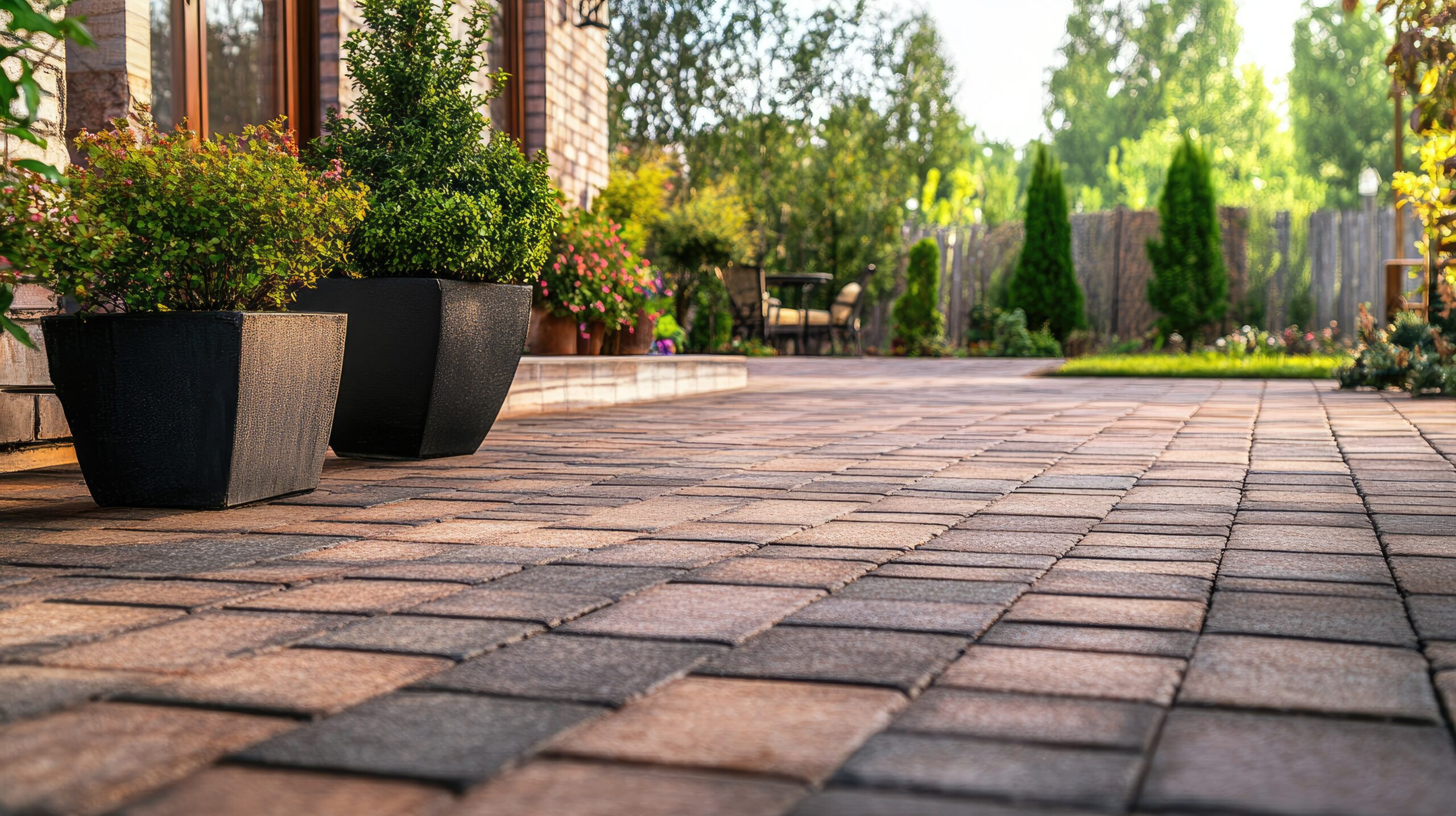
Think About Shape, Size, and Layout
The shape and size of your pavers play a big role in the overall look of your patio. Rectangular and square pavers are ideal for creating clean, modern designs, while irregular shapes like flagstone offer a more natural, organic feel.
Circular and cobblestone pavers can be used as accents or in garden walkways to add visual interest and charm to your outdoor space. In addition to shape, the layout pattern also contributes to the patio’s visual style and structural strength.
Popular paver patterns include herringbone, which is especially effective for high-traffic areas, basket weave for a traditional appearance, and running bond for a simple, linear layout. The pattern you choose can impact both installation time and the number of individual pavers needed.
Plan for Long-Term Maintenance
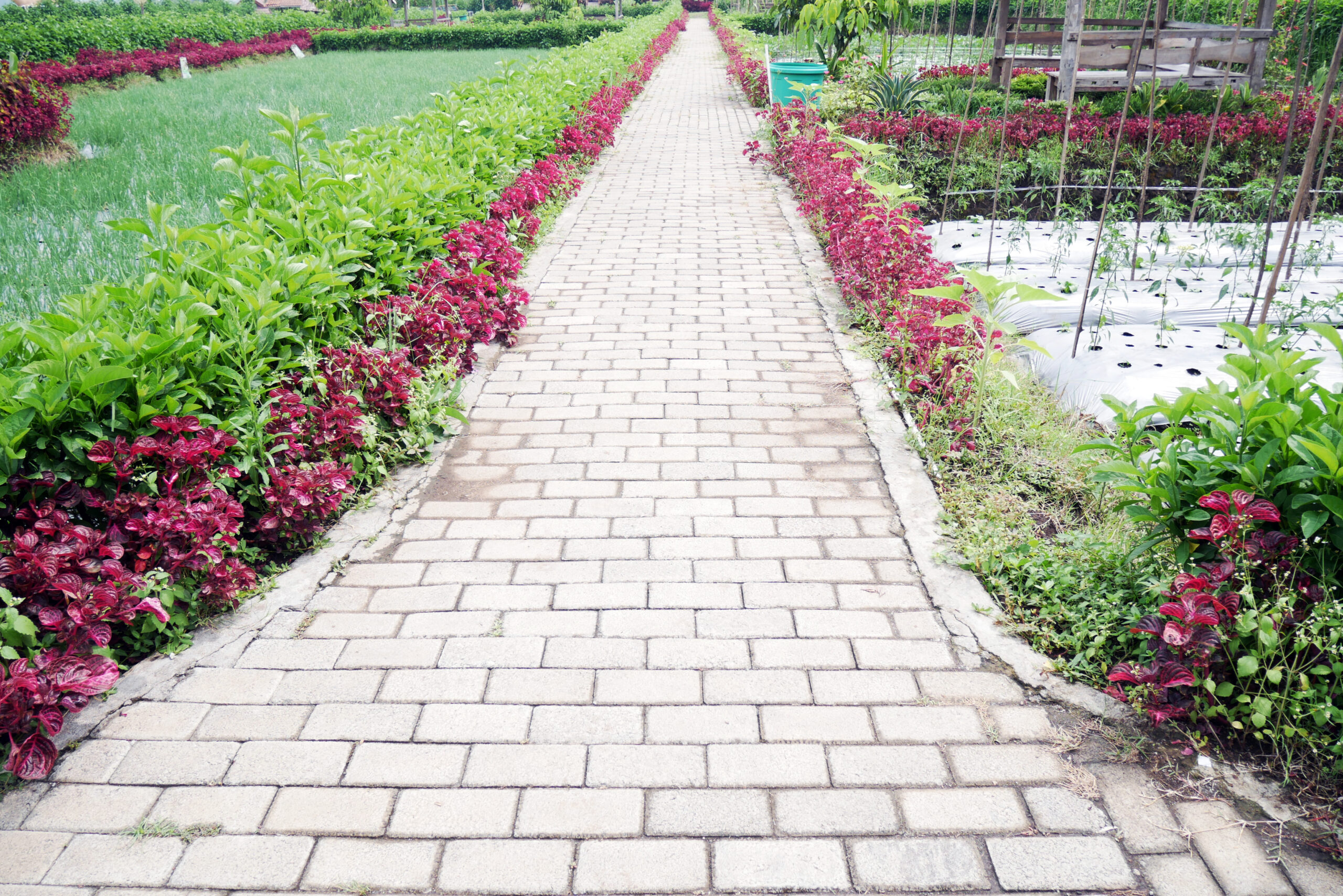
Maintenance requirements should influence your material selection.
- Concrete pavers are low maintenance but may fade over time if not sealed.
- Natural stone generally ages well and resists weathering.
- Brick pavers may shift or settle and might require occasional realignment.
Using polymeric sand between joints helps lock pavers in place, reduces weed growth, and improves overall appearance over time.
Factor in Budget and Installation
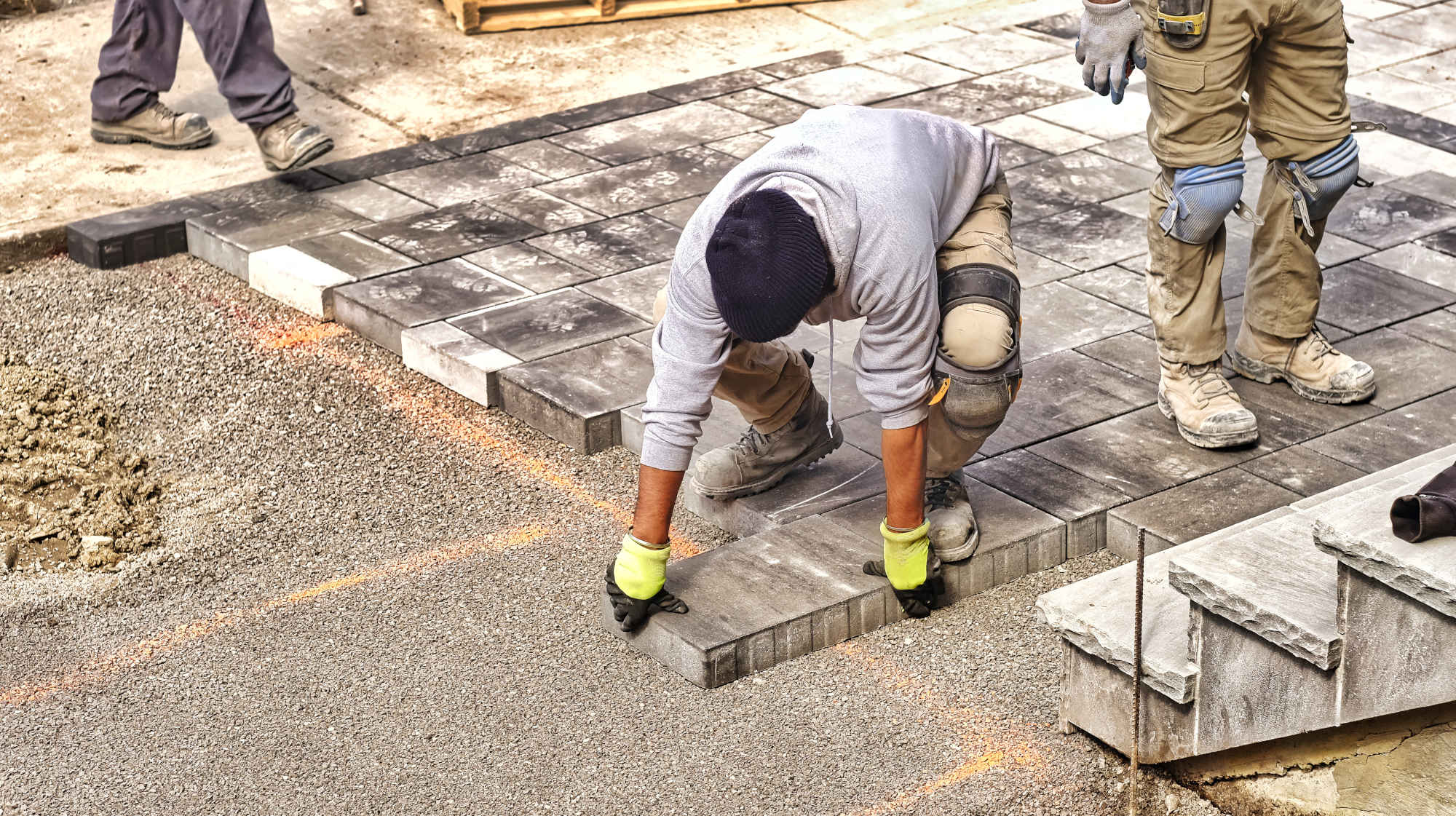
The total cost of your paver project depends on a few key elements:
- Paver Material – Some options, like natural stone, are more expensive than concrete slab patios
- Square Footage – Larger areas require more materials and labor
- Base Materials – Gravel, sand, and paver base layers add to costs
- Labor – DIY can save money, but professional help ensures better results
For a balanced approach, choose pavers that match your budget, fit your style, and meet your durability needs.
Let Nashville Hardscape and Patio Bring Your Outdoor Space to Life
Creating the perfect paver patio systems starts with choosing the right team. At Nashville Hardscape and Patio, we offer a wide variety of paver materials, colors, and custom design services tailored to your unique outdoor space. Whether you’re going for timeless beauty, a clean modern design, or something bold and unique, our team will help bring your outdoor project to life with both style and function.
Ready to get started? Nashville Hardscape and Patio is here to help you create an outdoor space that’s built to last and designed to fit your style.
GET FREE ESTIMATE