
2700K vs 3000K for Outdoor Lighting
Choosing the right color temperature is one of the first and most important decisions in any outdoor lighting project. Whether you’re designing garden lighting, creating a welcoming patio lighting area, or highlighting your entrance, the choice between 2700K vs 3000K can shape both the look and feel of your outdoor space.
At Nashville Hardscape & Patio, we specialize in landscape lighting systems that combine style, safety, and energy efficiency. We can help you choose the best Kelvin temperature for different outdoor spaces and spots.
What is Color Temperature for Outdoor Living?
Color temperature is measured in degrees Kelvin (K) and describes how “warm” or “cool” a light bulb appears to the eye.
- Lower Kelvin values (2000K–3000K) give off a warm, golden glow.
- Higher Kelvin values (4000K–6000K) produce cooler, whiter tones similar to daylight.
In landscape lighting, the goal is comfort and visual harmony. That’s why most LED lights for outdoor use fall between 2700K and 3000K. These settings mimic the warmth of incandescent bulbs while offering the longevity and efficiency of LED lighting.
A lighting designer considers not just the temperature, but also the Color Rendering Index (CRI). This is a measure of how accurately colors appear under a light source. High-CRI fixtures (80+) make plants, stone, and wood look more natural and vibrant at night.
3000k vs. 2700k for Outdoor Lighting
When choosing the best color temperature for outdoor lighting, it’s important to balance ambiance, functionality, and the lighting needs of your space. Both 2700K and 3000K are excellent choices, but the best option depends on the purpose of your outdoor lighting project.
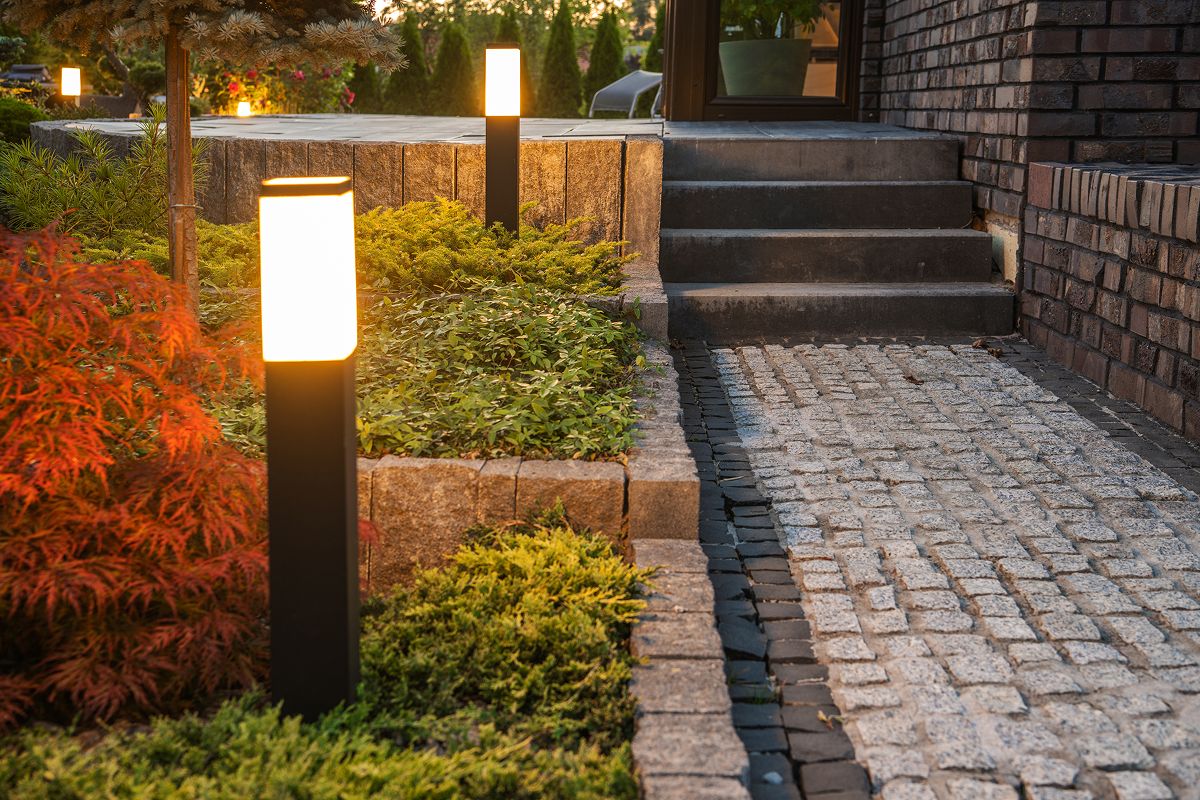
2700K Lighting
This warm tone creates a soft, inviting glow reminiscent of a traditional incandescent bulb. It works beautifully for patio, garden, and subtle accent lighting, enhancing the natural colors of your outdoor space. Warm white lighting is ideal for creating cozy, comfortable areas where you entertain guests or enjoy quiet evenings outdoors.
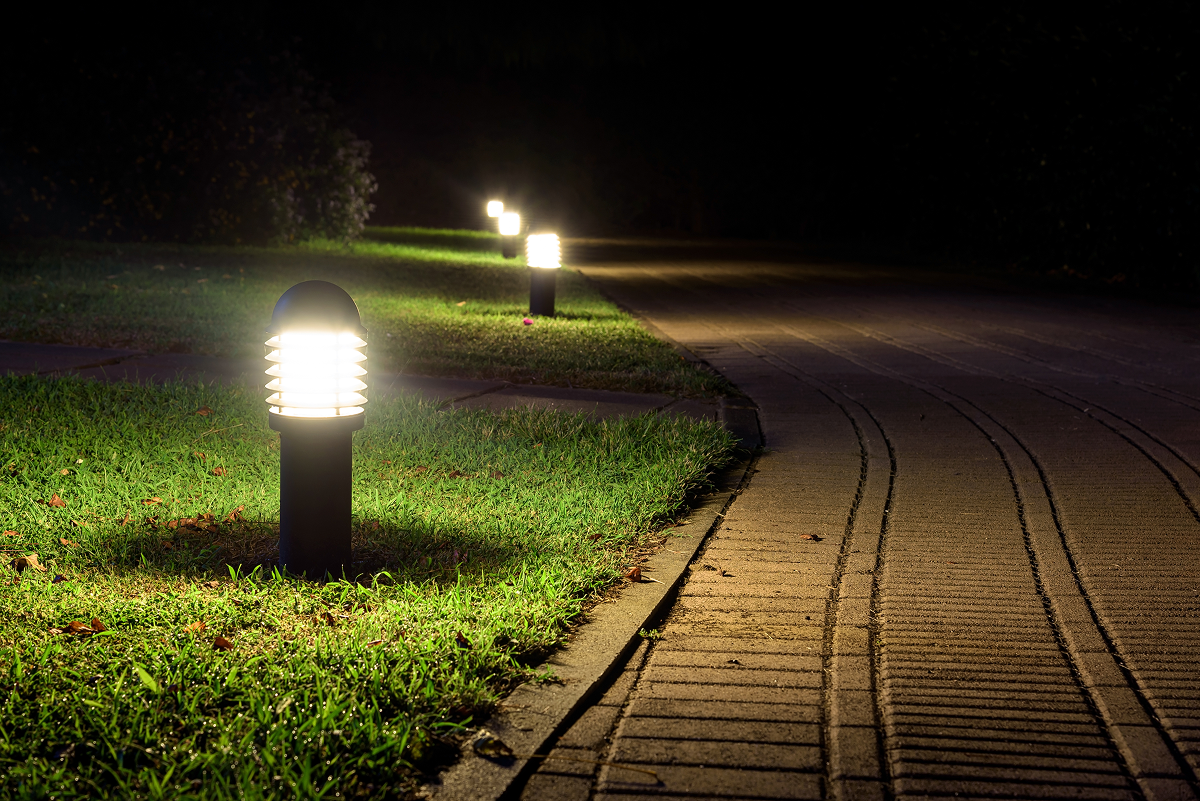
3000K Lighting
It’s slightly brighter but still warm. 3000K provides enhanced clarity and detail and is well-suited for security lighting, pathways, and highlighting architectural elements within your landscape lighting systems. High color rendering indexes (CRI) ensure that plants, stonework, and other outdoor features appear vibrant and true to life at night.
By selecting the appropriate Kelvin color temperature, you can achieve lighting that is neither harsh nor unbalanced, meeting all your lighting needs. Working with professional lighting designers or outdoor lighting specialists helps ensure your lighting setup delivers both functionality and visual appeal across entrance lighting, patio lighting, and garden lighting.
What to Consider When Choosing 2700K vs 3000K
Both 2700K and 3000K lighting create warm, inviting tones — but subtle differences in how they affect perception, comfort, and function can make one better suited for your project than the other. Understanding these factors helps you select the right light for both performance and atmosphere.
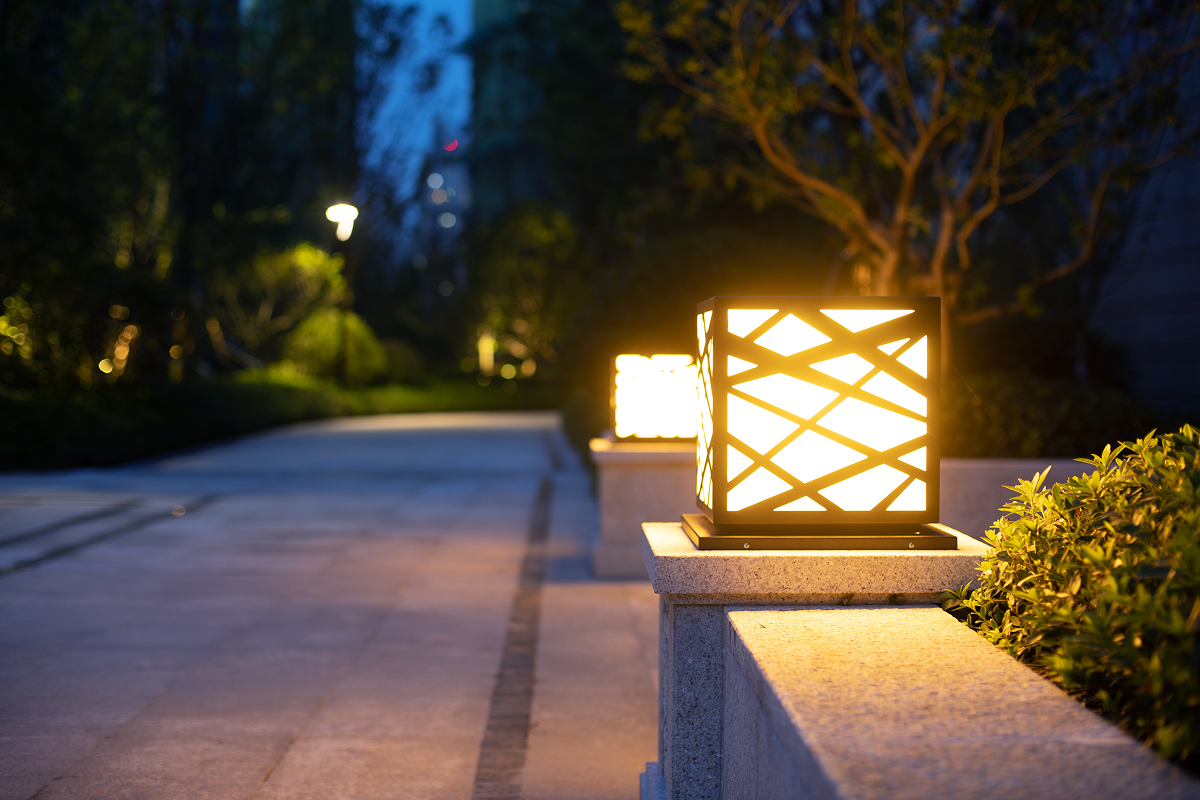
Ambience and Mood
Both temperatures can shape mood differently based on surrounding light and surfaces. 2700K lighting produces a deeper warmth that softens shadows and enhances the glow of evening light, ideal when you want the space to feel calm and grounded.
3000K, on the other hand, has a balanced brightness that makes outdoor areas appear cleaner and more defined without feeling overly cool. Use it when you want to subtly elevate energy without losing warmth.
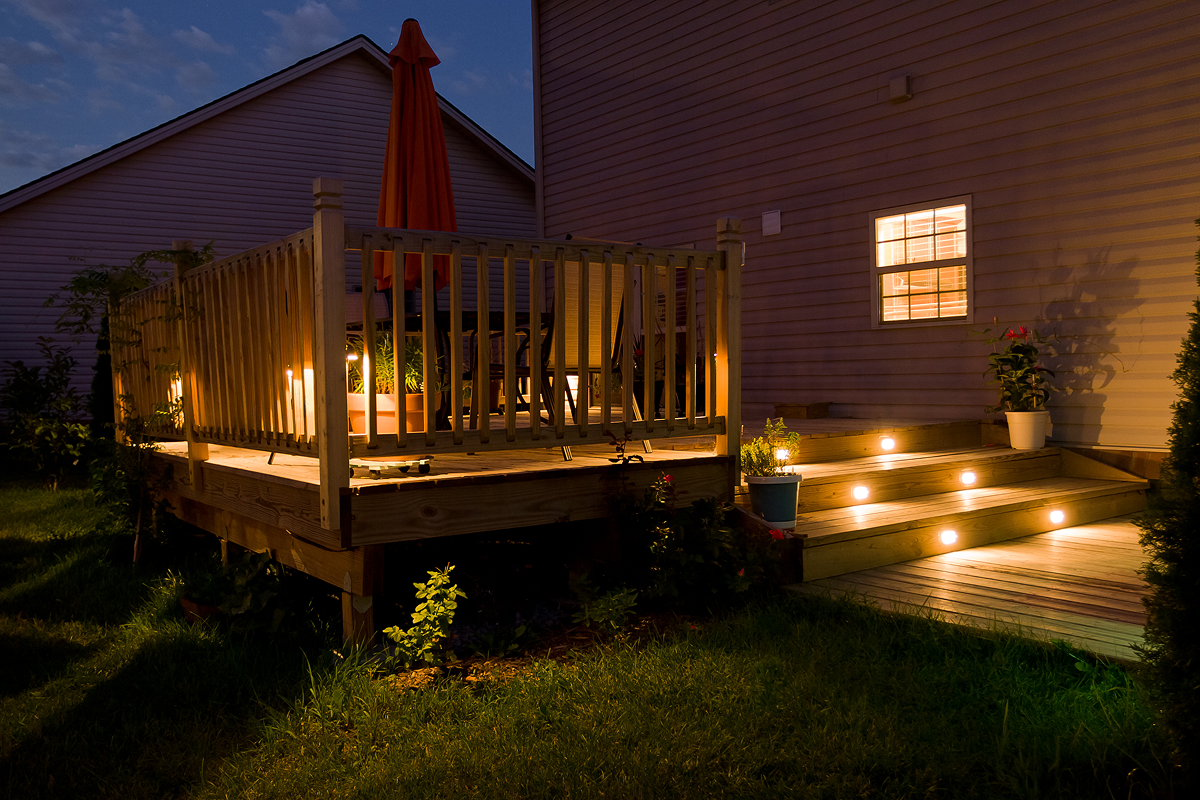
Function and Visibility
Beyond appearance, the right color temperature should support how you use your outdoor areas. 2700K works best in places designed for relaxation and low-level illumination, such as lounge areas, decks, or garden seating, because it reduces glare and helps your eyes adjust comfortably in the dark.
3000K is better suited for areas that require greater contrast, such as stairs, driveways, and entryways. It provides slightly higher visibility, helping shapes and edges appear sharper for safe navigation.
Material and Color Rendering
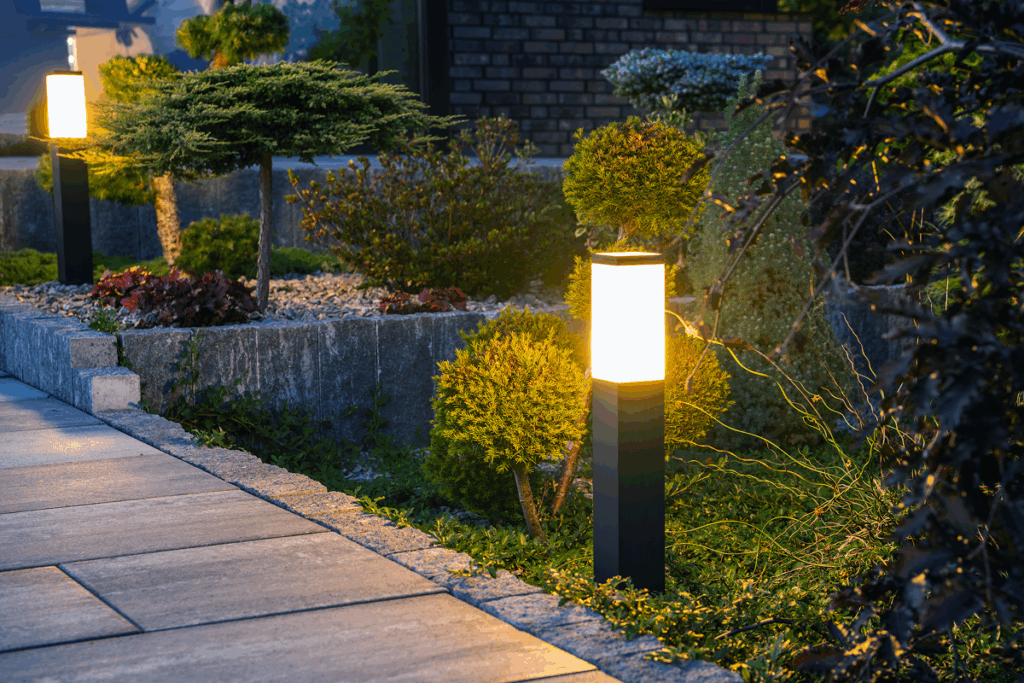
Different materials react differently under different color temperatures. 2700K lighting complements warm finishes like cedar, red brick, and travertine by bringing out their golden undertones.
In contrast, 3000K LED lights highlight cooler materials such as gray pavers, concrete, or metal accents, enhancing definition and clarity. Pay attention to the Color Rendering Index (CRI) as well; higher CRI values ensure accurate, vibrant colors across your outdoor materials, preventing washed-out or flat-looking tones.
Environmental and Neighbor Considerations
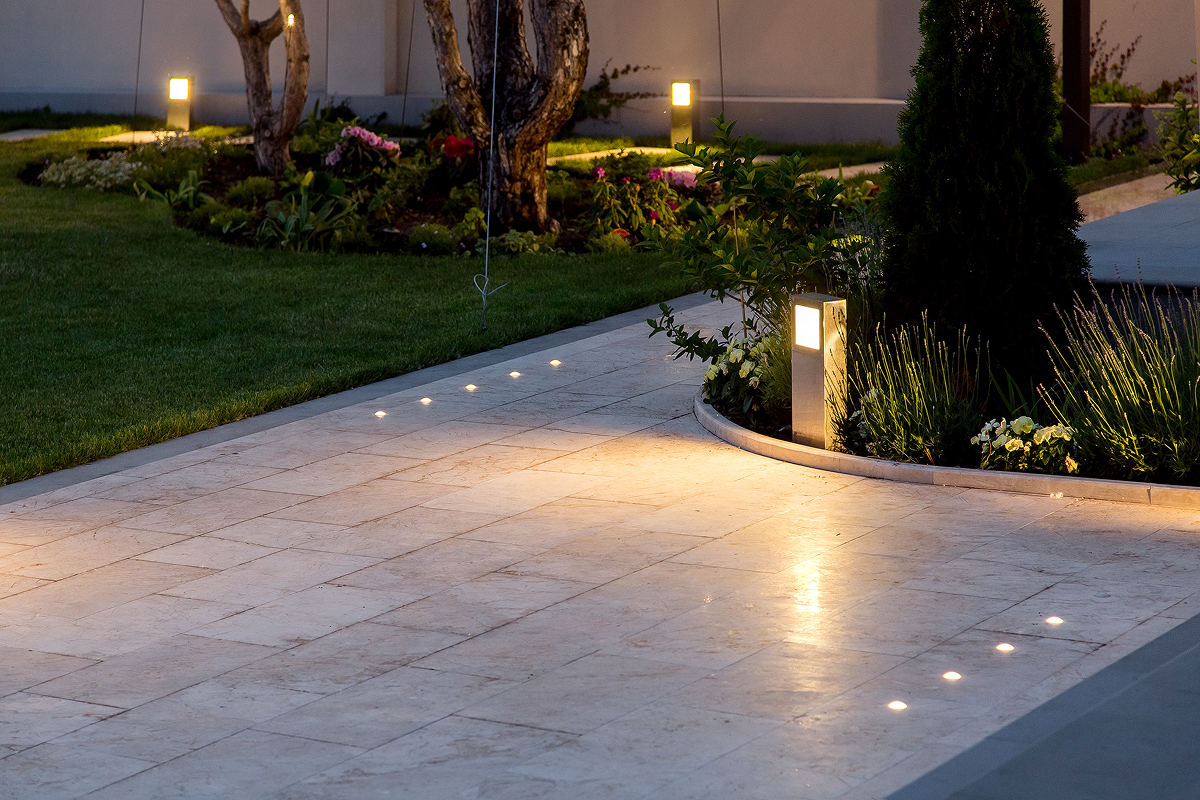
When lighting residential neighborhoods or natural settings, it’s important to consider how your lighting affects the surroundings. 2700K LED lights emit less blue light, making them friendlier to local wildlife and reduces skyglow that can disturb neighbors.
3000K provides stronger visibility for perimeters, driveways, and security lighting without veering into harsh white tones. Choosing fixtures with good shielding and direction control ensures your design enhances the space without contributing to unwanted light spills.
Long-Term Maintenance and Adaptability
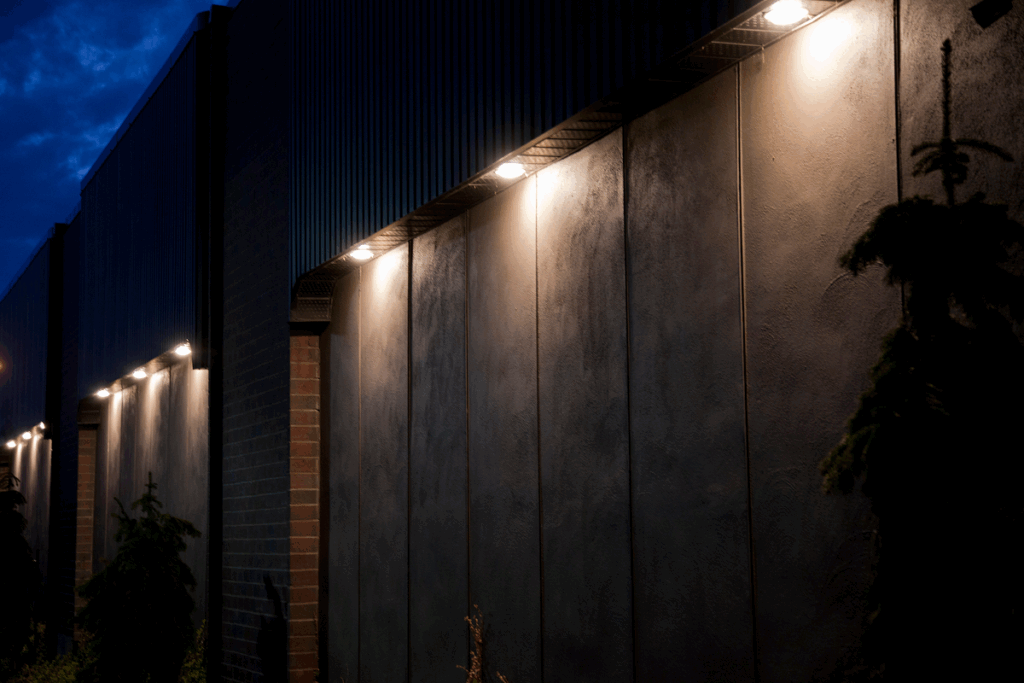
The longevity of your lighting design depends on how it adapts to your evolving outdoor environment. 2700K systems tend to blend seamlessly as plantings mature, maintaining a timeless warmth even as colors shift through the seasons.
3000K lighting, on the other hand, pairs well with modern updates, new hardscape, water features, or contemporary lighting fixtures that benefit from its clean, versatile tone. Consider how your landscape will age over time and choose the option that continues to complement it year after year.
At Nashville Hardscape & Patio, we help you evaluate each of these factors to ensure your outdoor lighting not only looks beautiful today but continues to enhance your property for years to come.
Professional Tips for Installing Outdoor Lighting
Proper planning and installation ensure your outdoor lighting is both beautiful and functional. Key considerations include:
- Spacing of Fixtures: Arrange lights evenly along pathways, patios, and garden areas to avoid harsh shadows or overly bright spots. Proper spacing enhances safety and creates a balanced look.
- Fixture Types: Choose lighting that complements your landscape and architecture, such as recessed lights, lanterns, wall-mounted fixtures, or spotlights for accentuating features.
- Energy Efficiency: Opt for LED lights with suitable Kelvin ratings to reduce electricity costs and extend bulb lifespan, minimizing frequent replacements.
- Maintenance: Keep fixtures clean, check wiring regularly, and replace bulbs as needed to maintain performance and visual appeal.
- Professional Consultation: Working with experienced outdoor lighting specialists ensures optimal placement, safety, and design impact.
At Nashville Hardscape & Patio, our team customizes outdoor lighting systems to combine style, safety, and energy efficiency, helping your yard look its best long after sunset.
Illuminate Your Outdoors with Style and Function
The right outdoor lighting shapes the mood, highlights your landscape, and brings your yard to life. Thoughtful planning, layered design, and professional expertise make your outdoor spaces inviting, balanced, and visually striking after dark.
At Nashville Hardscape & Patio, we want every corner to radiate warmth and pathways to effortlessly guide your way while still achieving beauty and efficiency. Make your outdoor vision a reality and let your nights shine as beautifully as your days.
GET FREE ESTIMATE